
BIM for MEP Engineering
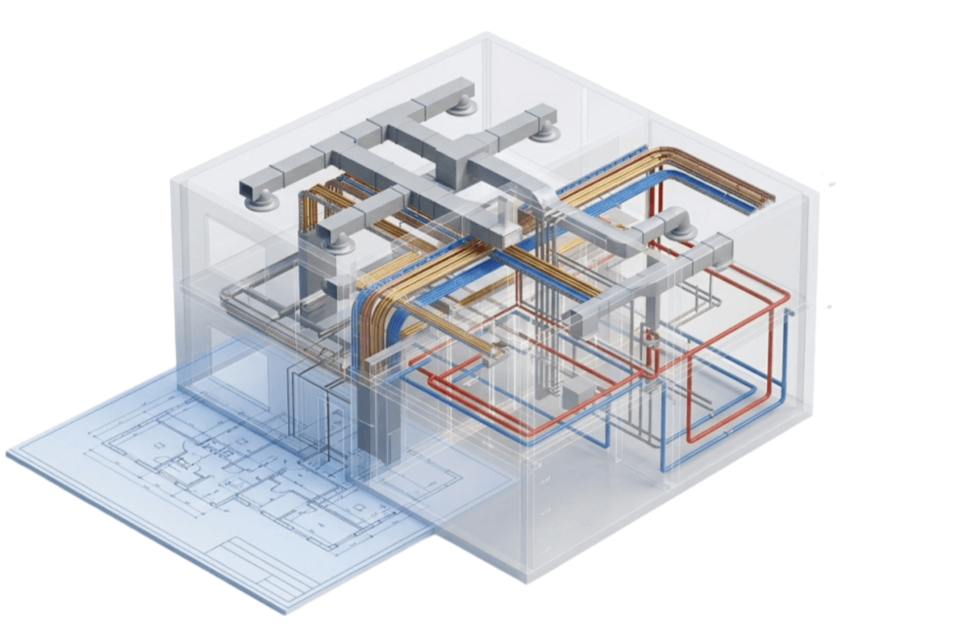
Building and managing a modern structure truly "takes a village," but that village operates much more effectively when equipped with the right technology. To bridge the gap between complex blueprints and physical reality, industry leaders increasingly rely on BIM tools to facilitate seamless constructability, design, and construction.
In this article, we dig deep into how Building Information Modeling (BIM) is fundamentally changing the landscape of MEP (Mechanical, Electrical, and Plumbing) engineering. We will explore how this digital evolution helps engineers simplify complex designs, eliminate costly errors before they reach the field, and enhance overall project efficiency. By the end, you will have a solid grasp of how BIM addresses the unique difficulties of MEP systems to help your projects run like well-oiled machines.
What is BIM in MEP Engineering?
At its core, BIM (Building Information Modeling) is a comprehensive digital approach used to design and manage a project throughout its entire lifecycle. Rather than relying on static lines on paper, the BIM process delivers detailed 3D models that represent every facet of a building’s architecture and mechanical systems.
This intelligence goes far beyond simple visualization; it acts as a proactive diagnostic tool. By utilizing these models, engineering teams can identify and resolve potential conflicts or structural issues in the virtual environment long before they turn into expensive errors on the job site.
BIM (Building Information Modeling), is a revolution in MEP engineering. This isn't just about making a 3d model, it's bringing the mechanical, electrical, and plumbing solutions into one digital world. It enables MEP engineers to accurately visualize, design, and coordinate these systems.
In MEP engineering, coordination is the foundation of a successful build. You are tasked with integrating multiple complex layers: heating, cooling, wiring, and water supply, within the same restricted physical footprint. If systems design is not handled with precision, the entire construction timeline can be thrown into chaos.
Differences Between MEP and BIM
While MEP and BIM are distinct concepts, they function in a multidisciplinary partnership to elevate the quality of modern construction. MEP refers to the physical, mechanical, electrical, and plumbing systems essential for a building's operation. In contrast, BIM is the parametric technology that provides the framework for designing, managing, and coordinating these systems within the building's digital twin.
By utilizing BIM, MEP engineers can simulate how their systems perform in real-world conditions and interact with other structural elements. This foresight is critical for reducing errors and resolving potential collisions in the virtual phase rather than the construction phase. Essentially, MEP represents the "what"—the vital organs of the building—while BIM provides the "how," integrating every component into a cohesive, conflict-free whole. This synergy leads to a more precise approach, eliminating overlap and ensuring that all systems fit perfectly together.
Benefits of BIM for MEP Engineering

1. Enhanced Coordination
The most significant advantage is that BIM consolidates all your building systems into a single, unified digital model. This ensures that HVAC, electrical, and plumbing components are "playing nice" with one another rather than competing for the same space.
By utilizing a centralized workflow, you no longer have to guess how various systems will fit. You can visualize and resolve clashes in real-time alongside the architect’s designs and the structural engineer’s requirements. This proactive synchronization leads to fewer field conflicts, reduced rework, and a much more collaborative environment for the entire project team.

2. Immersive Visualization
What BIM truly offers is the ability to bring your building design to life in a high-fidelity 3D environment. Rather than squinting at flat blueprints, you can virtually walk through the entire layout of the facility before the first foundation stone is even laid.
This immersive perspective allows you to see how MEP components interact with the work of structural engineers, ensuring that pipes and conduits don't interfere with load-bearing elements. By utilizing specialized tools like Navisworks, you can perform deep-dive inspections to identify and remedy problems early in the pre-construction phase. This level of clarity empowers stakeholders to make meaningful decisions based on the final product, rather than relying on guesswork.
3. Proactive Early Clash Detection
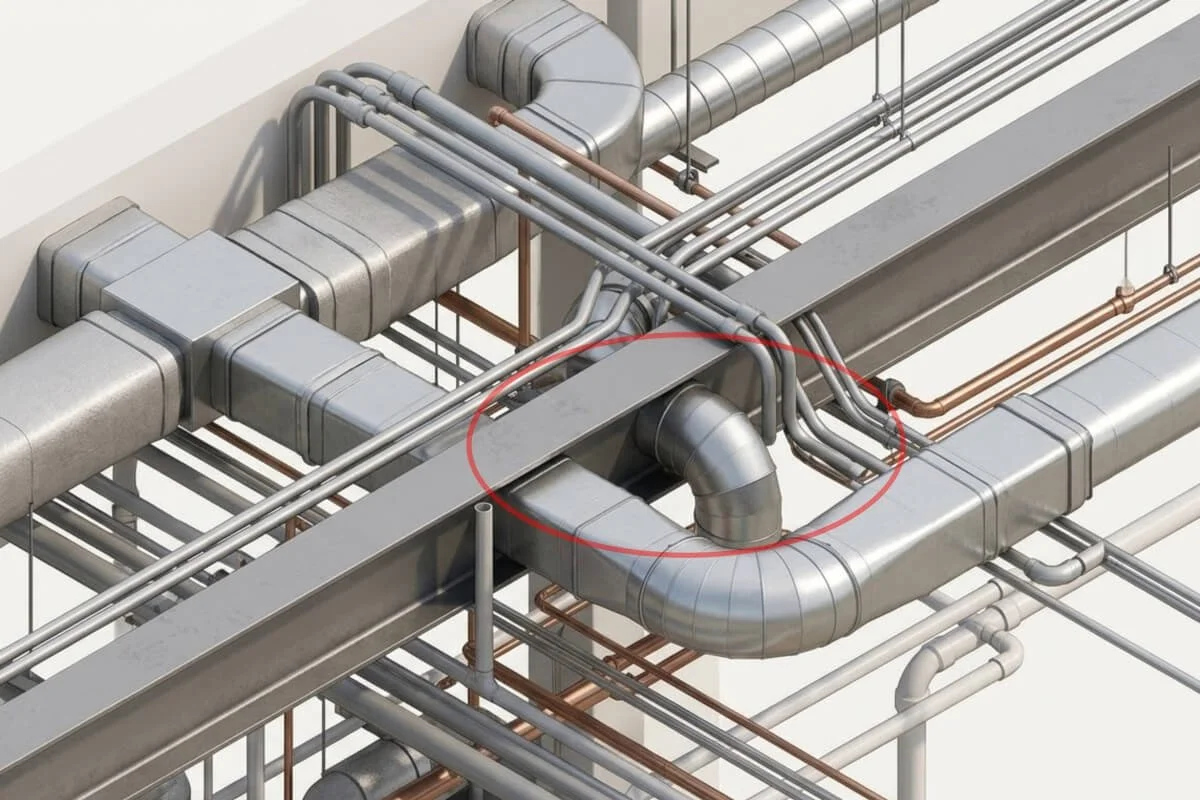
Discovering a duct blocked by a structural beam mid-construction is a costly nightmare. BIM software prevents this by allowing you to model all MEP systems within a unified digital space to catch interferences early. By using Revit MEP alongside advanced simulation and analysis tools, teams can identify and resolve system collisions virtually. This proactive approach eliminates expensive downstream errors and keeps the project on schedule.

4. Increased Efficiency
BIM software streamlines MEP design by centralizing all critical data. Because these tools for building are parametric, designs can be updated instantly, and material quantities are calculated with pinpoint accuracy to facilitate faster fabrication. This optimized workflow increases delivery speed and ensures better resource management throughout the project lifecycle.
5. Comprehensive Documentation
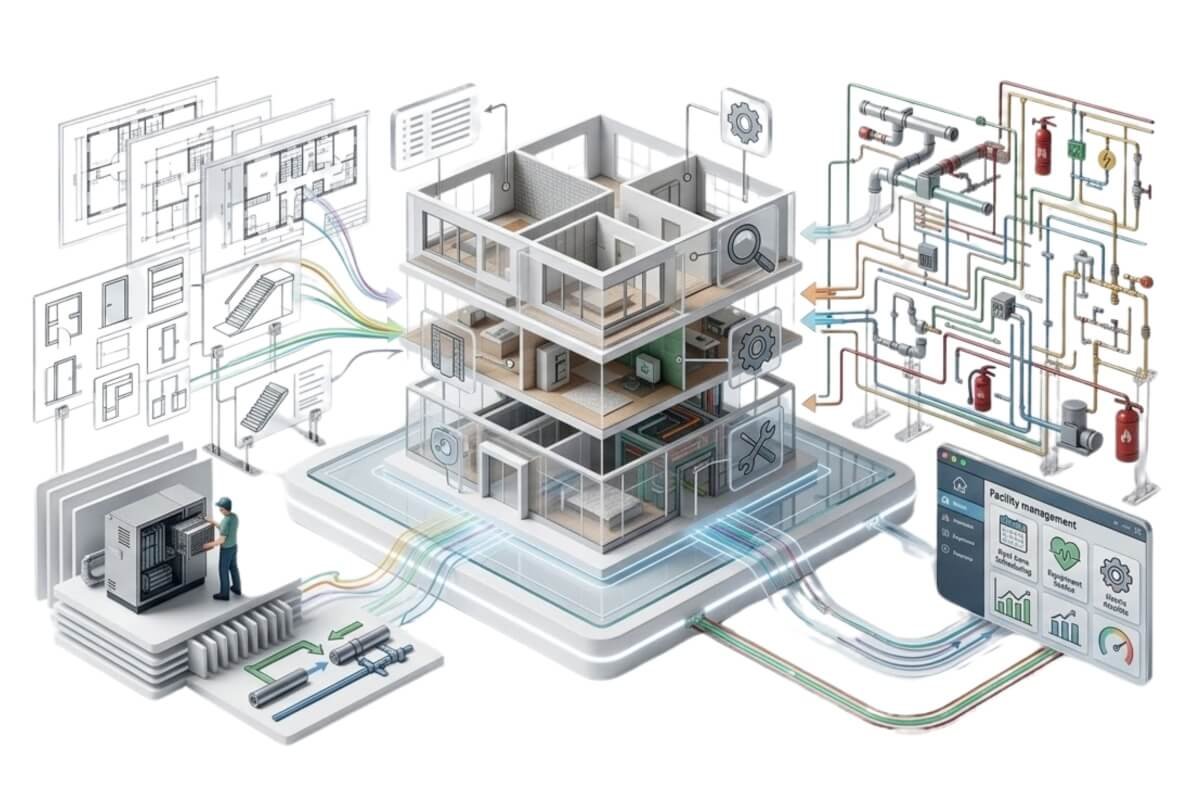
Every detail, from architectural modifications to specific MEP design specs, is meticulously organized within the BIM model. This data serves as a permanent digital drawing and database, ensuring that future maintenance or system upgrades are seamless. By including Revit data and other precise system metadata, this model becomes a powerful asset for long-term building operations and facility management apps.
6. Substantial Cost Savings
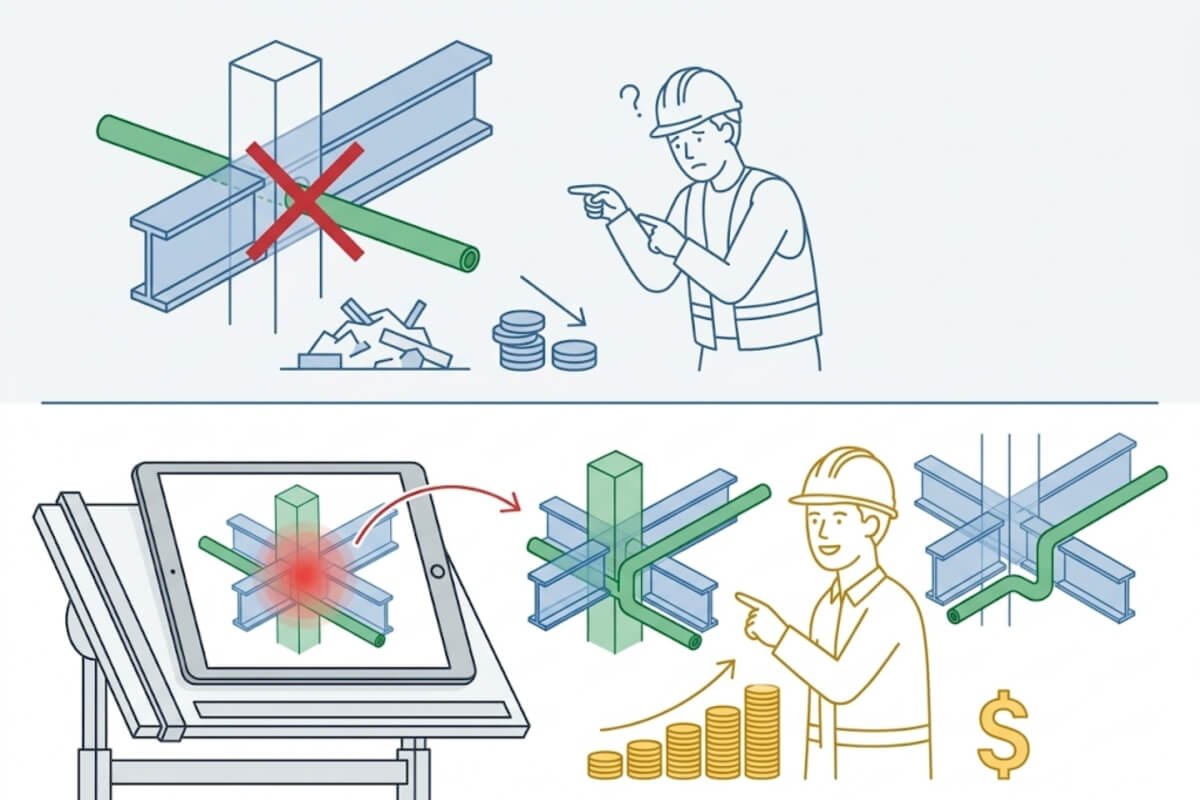
The financial impact of BIM is profound, as it allows MEP engineers to collaborate with other disciplines within a unified environment. By integrating architectural and structural models, teams can identify spatial conflicts between 2D and 3D views that would otherwise go unnoticed. This early detection and resolution of issues eliminates the need for expensive on-site revisions and significantly reduces material waste. For the AEC (Architecture, Engineering, and Construction) industry, this efficiency ensures that high-quality systems are delivered on time and strictly within budget.

7. Enhanced Sustainability and Performance
BIM and MEP integration play a critical role in developing environmentally responsible structures. By using specialized BIM tools, engineers can model and simulate the long-term performance of MEP systems to optimize energy consumption and reduce the building's carbon footprint.
Within Revit, designers can analyze lighting, thermal loads, and airflow to ensure maximum efficiency before fabrication begins. This data-driven approach not only reduces resource waste during construction but also ensures the building operates at peak performance throughout its lifecycle, benefiting both the environment and the client's bottom line.
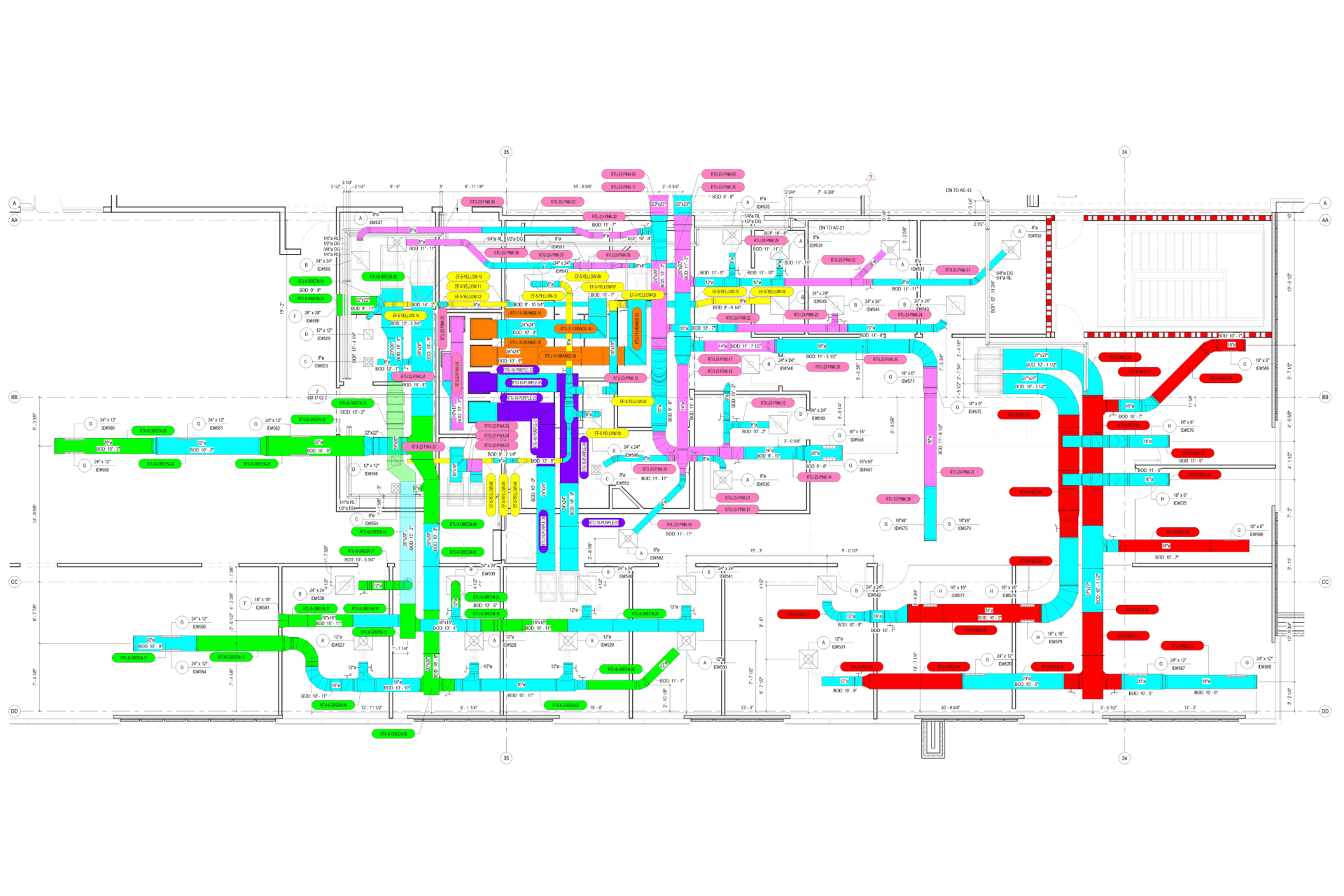
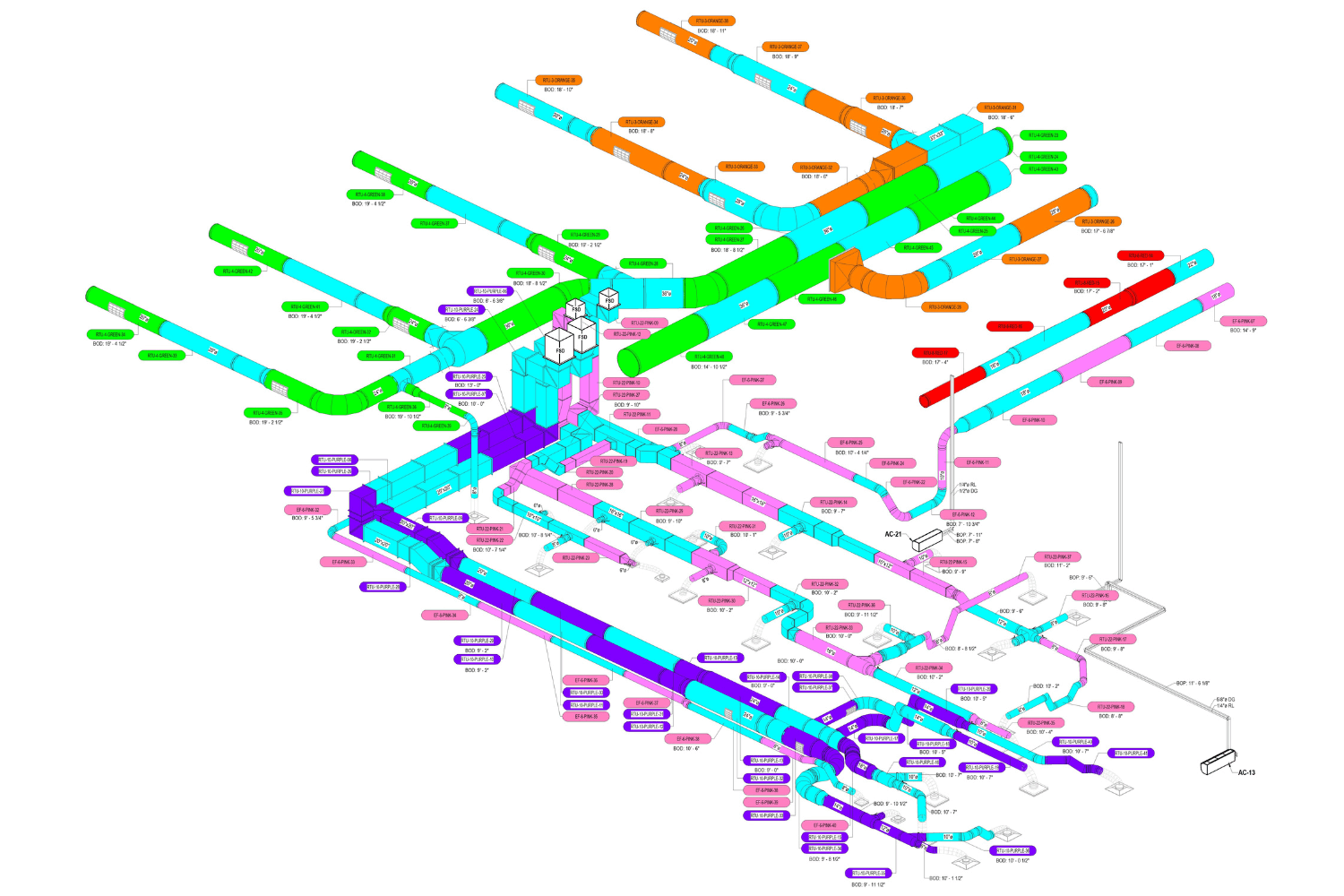
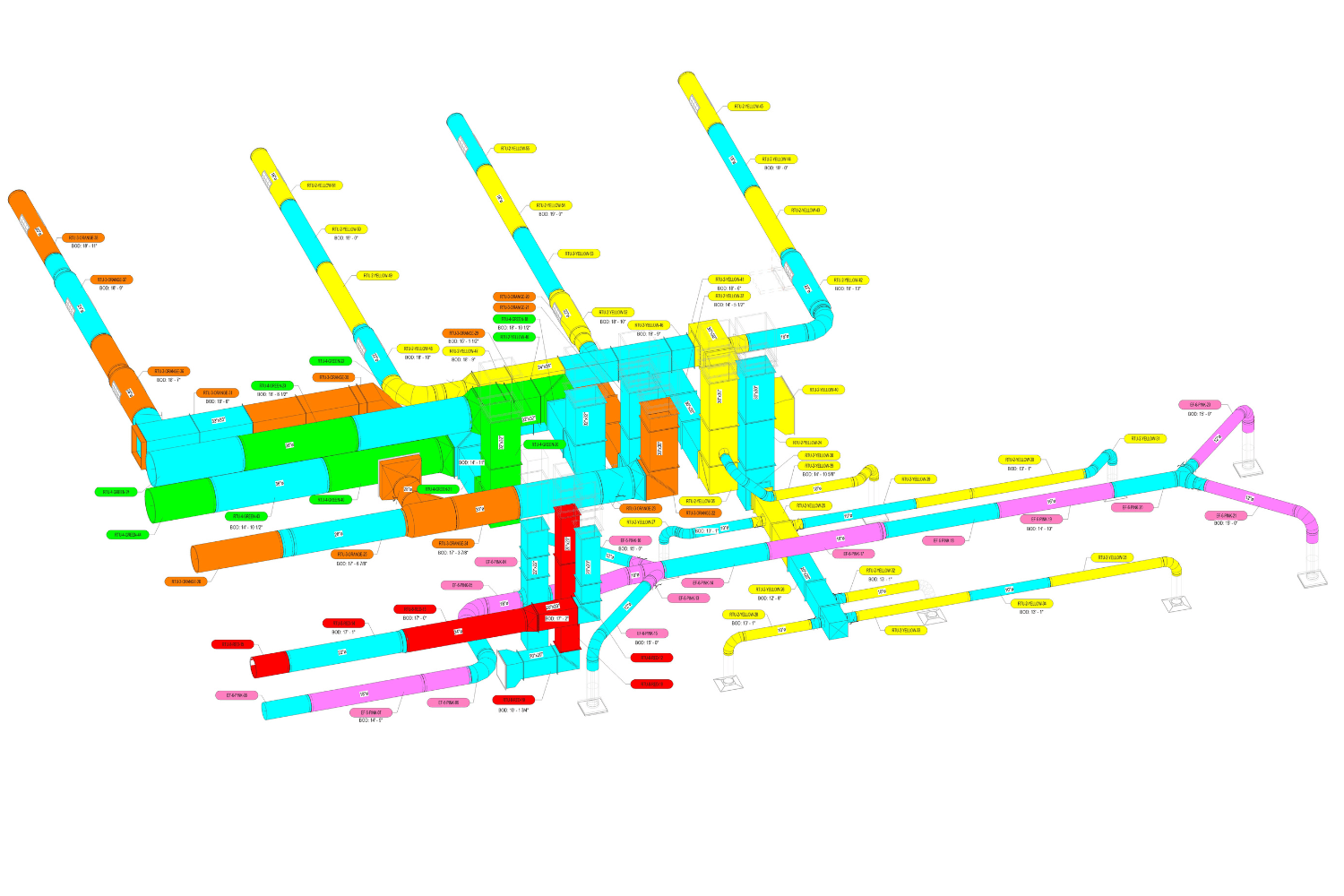
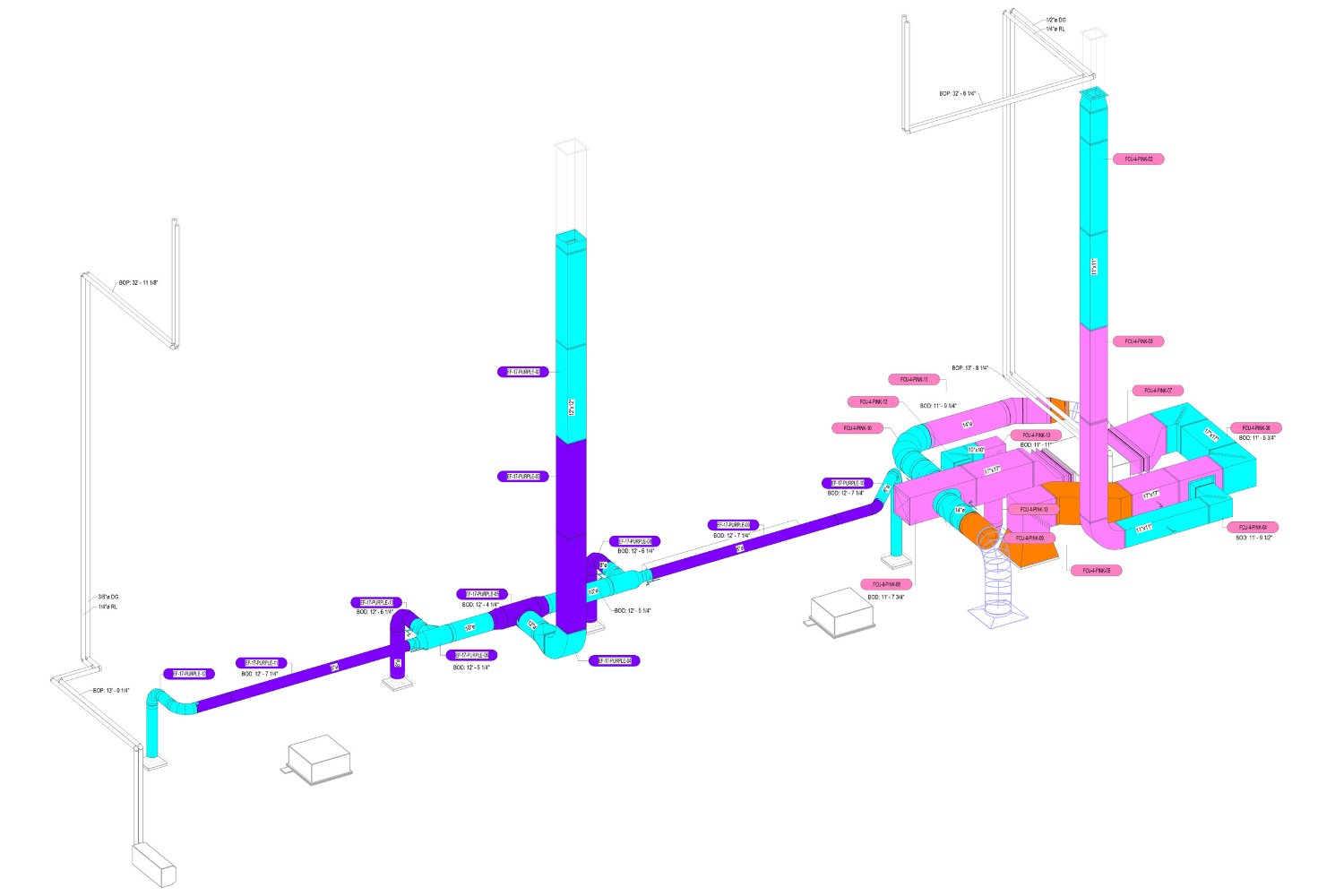
Project Examples of BIM for MEP
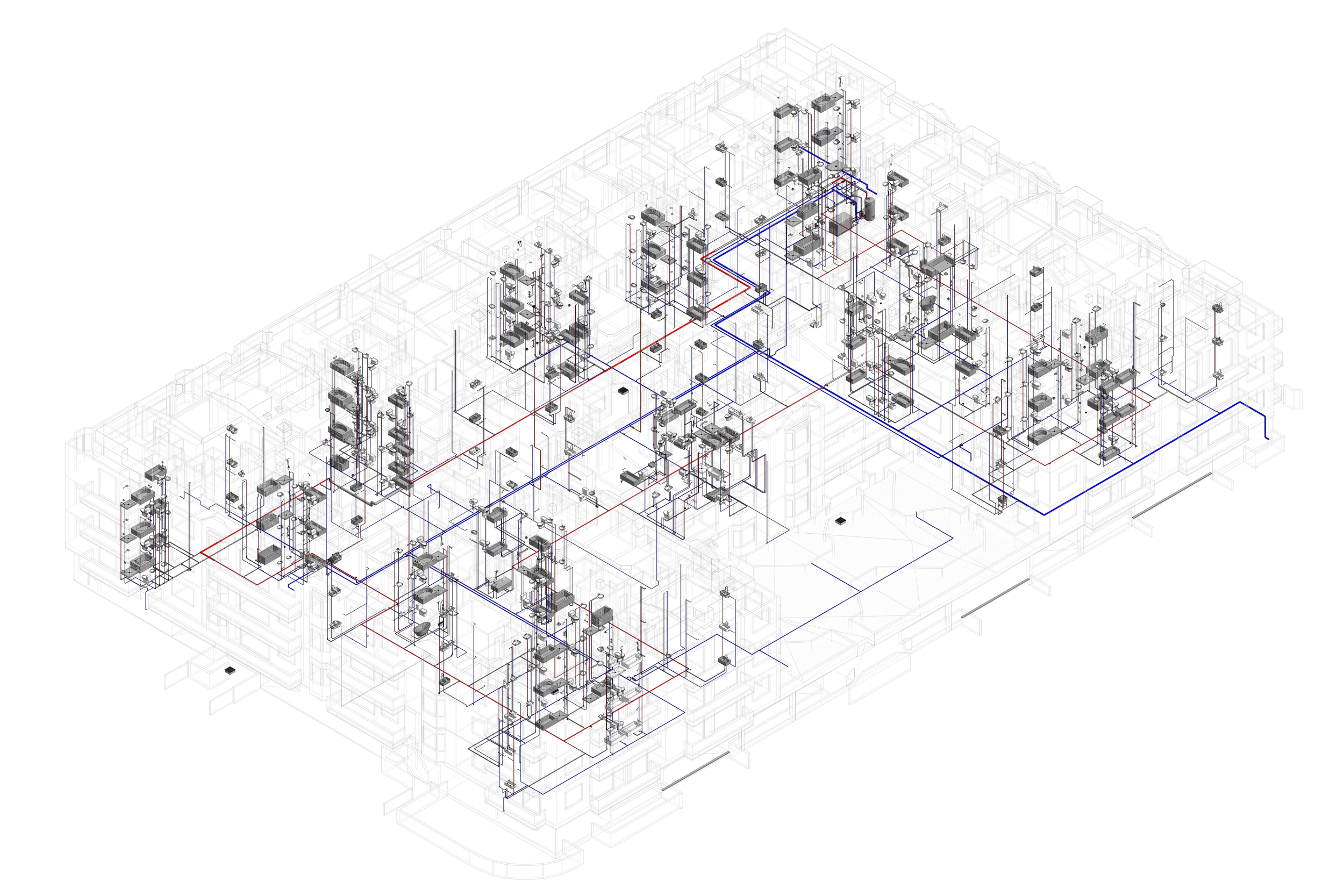
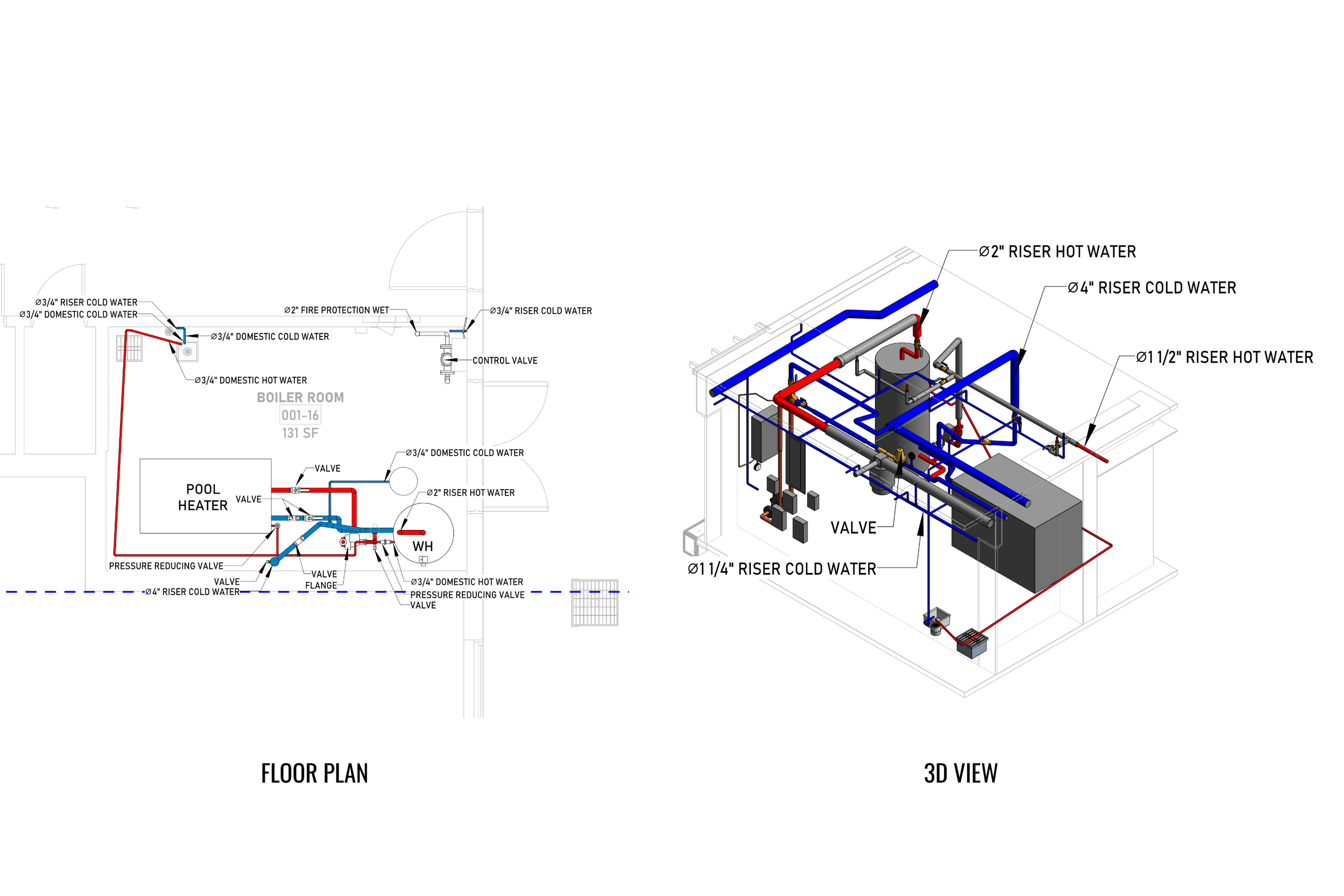
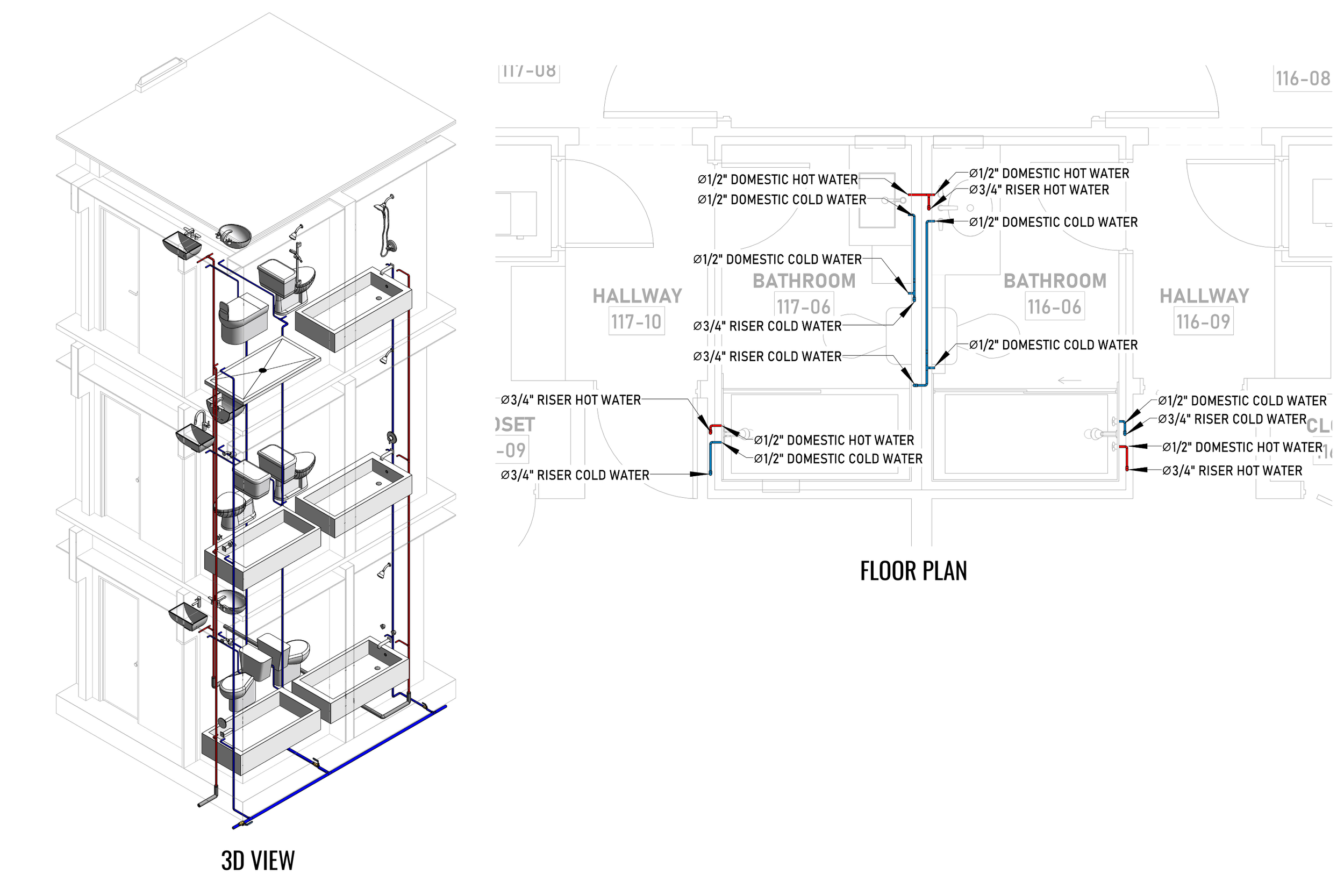
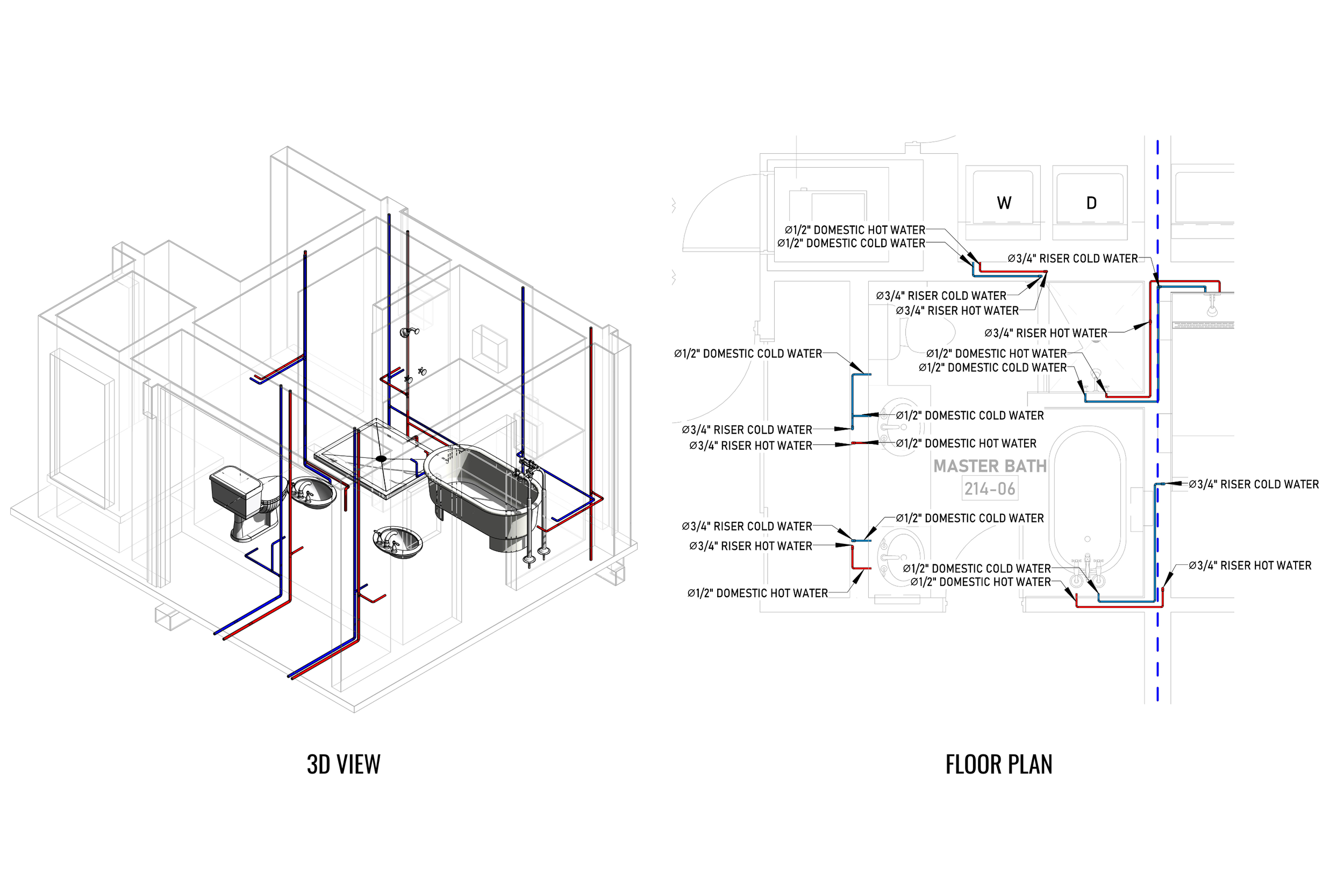
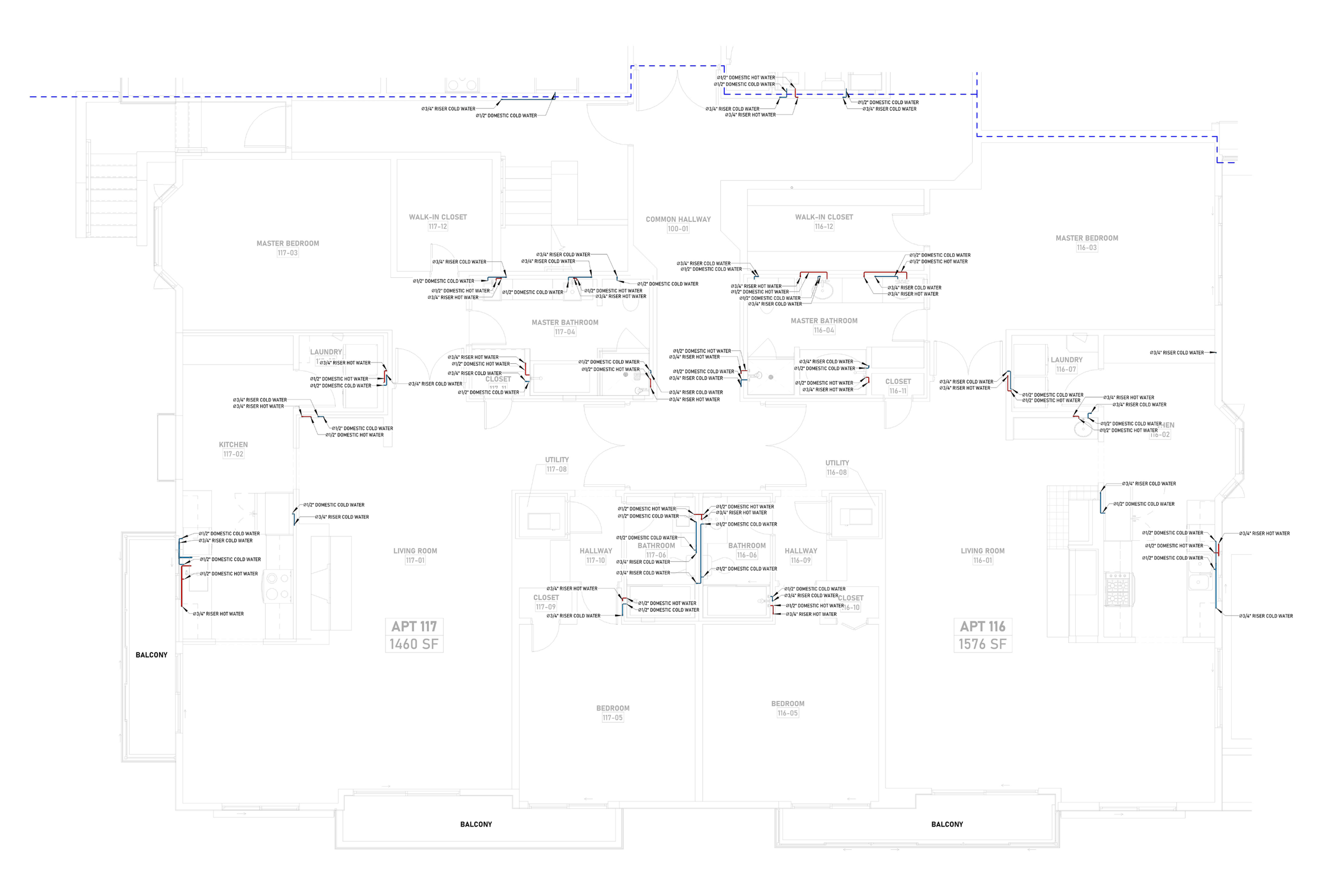
Multi-unit residential building
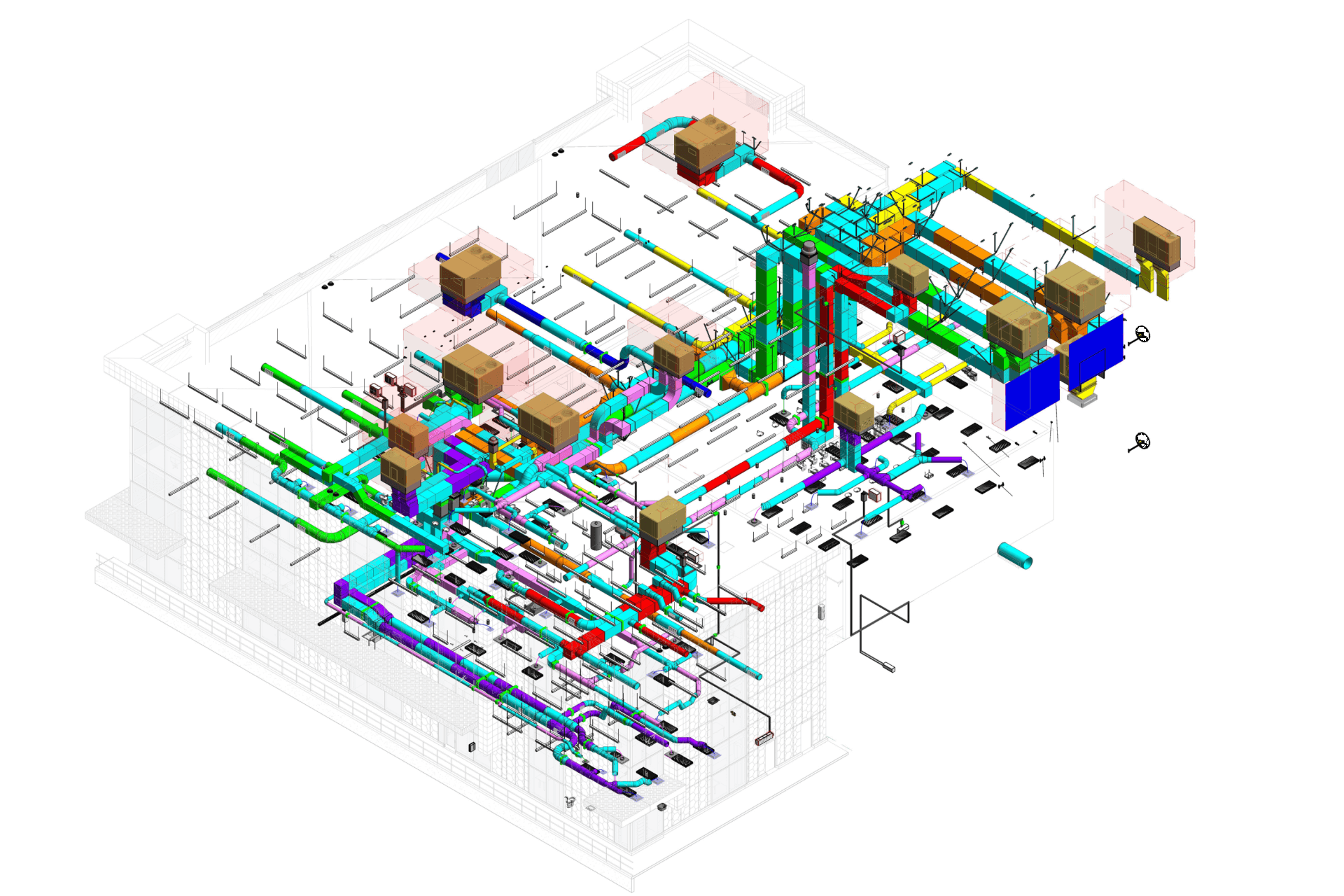
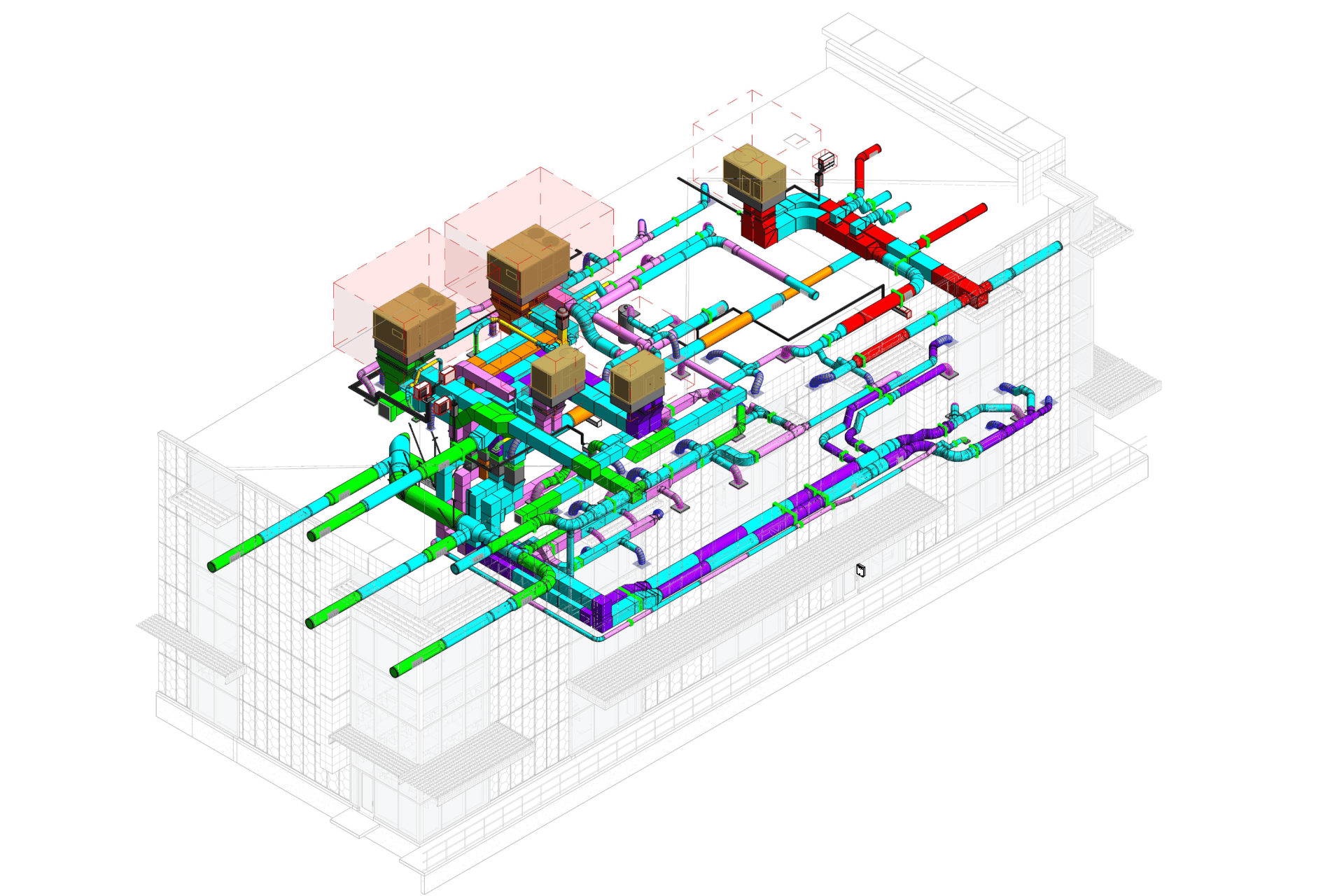
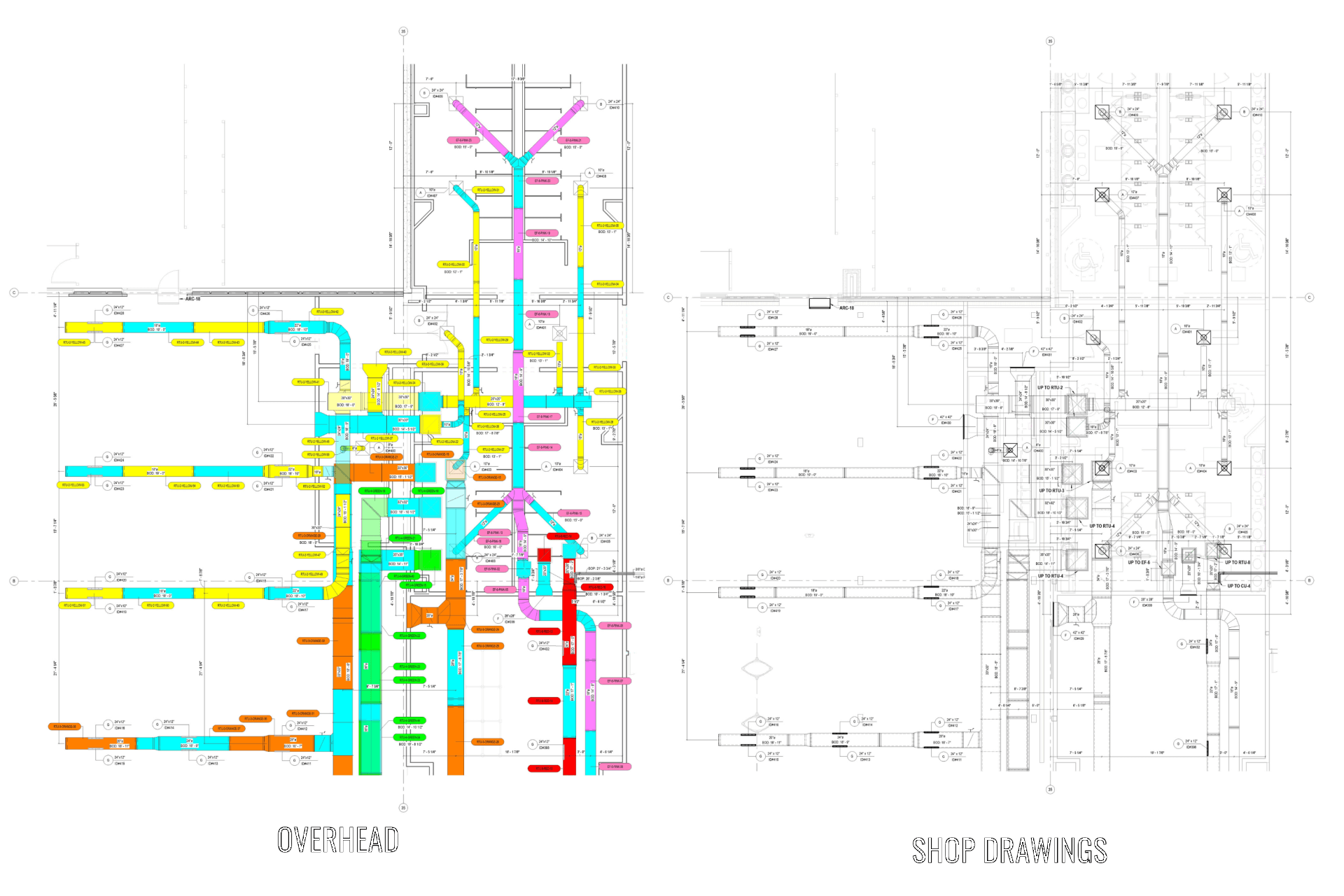
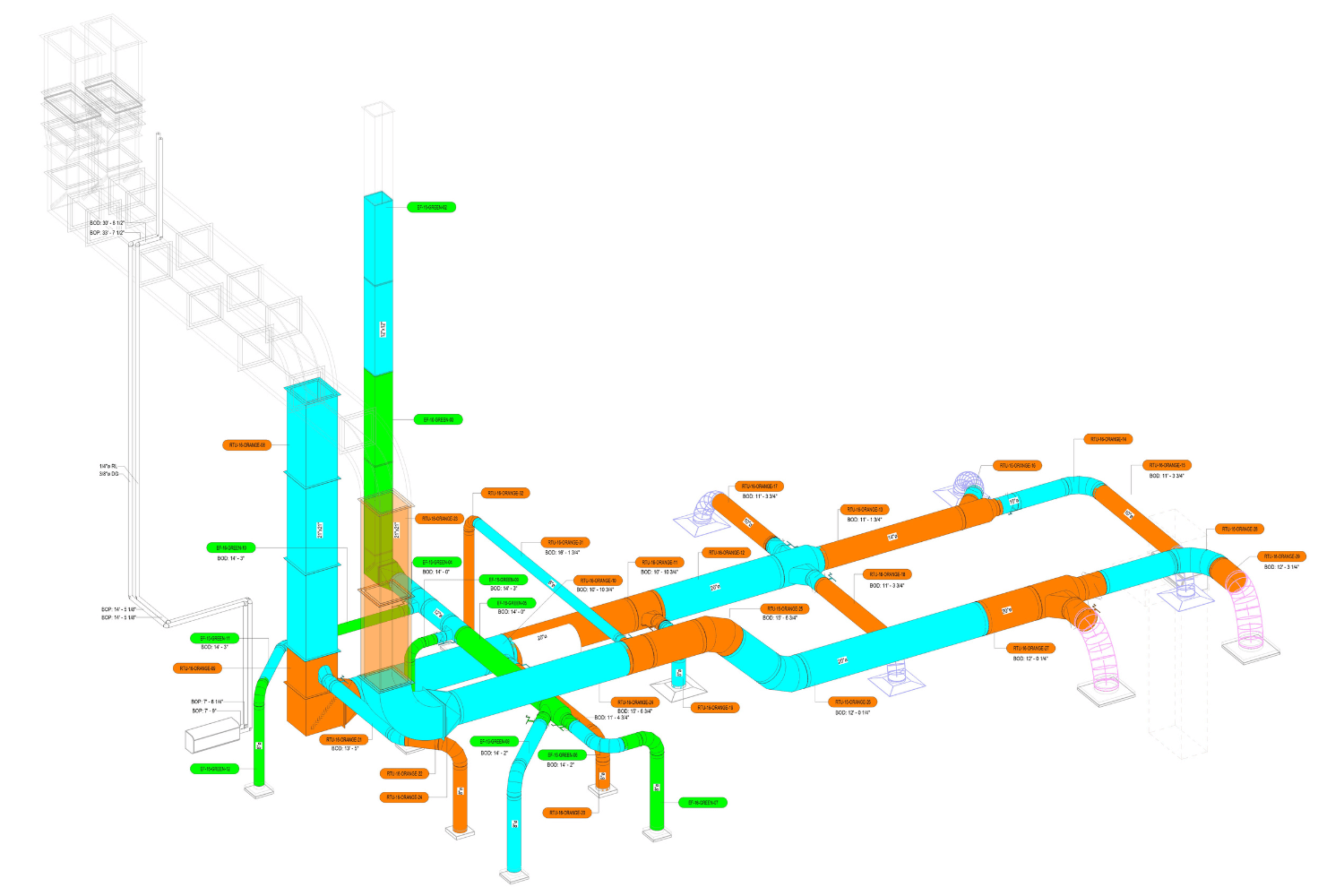
Warehouse
Essential Duties of an MEP Engineer
An MEP engineer serves as the technical architect behind the internal systems that breathe life into a structure. By utilizing a modern BIM workflow, these professionals move beyond static drawings to create dynamic, data-rich representations of MEP systems.
Mechanical Systems
MEP engineers design and supervise the installation of HVAC (heating, ventilation, and air conditioning) systems to regulate temperature and air quality. Beyond climate control, they optimize the efficiency of mechanical assets like elevators and escalators.
Electrical Systems
They develop the building’s entire electrical backbone, from core power distribution and lighting to complex data and communication networks. BIM helps ensure every circuit and conduit is mapped safely and meets strict regulatory codes.
Plumbing Systems
Engineers manage the lifecycle of water, designing systems for fresh water supply, waste drainage, and stormwater management. Precise modeling prevents common failures like leaks or backups that can lead to catastrophic structural damage.
Software for MEP BIM
Some of the popular software solutions are as follows:
Autodesk Revit
Autodesk Navisworks
BIMCollab
Trimble Connect
Solibri Model Checker
Plannerly
Revizto
Evolve MEP
BIM has fundamentally transformed the landscape of MEP engineering. By offering sophisticated mechanisms for reducing costs and increasing efficiency, it has become the gold standard for modern project delivery. Using BIM within your MEP practices is more than just adopting new construction technology; it is a strategic investment in overall project performance.
The ability to identify and resolve problems in the virtual phase, optimize systems design, and foster seamless multidisciplinary collaboration makes a profound difference in both the quality of your work and the speed of delivery. As the AEC industry evolves at a rapid pace, the role of BIM tools in MEP engineering will only become more vital.
Whether your primary goal is to facilitate better sustainability, slash rework costs, or enhance constructability, using BIM provides the most reliable roadmap to success. By embracing these BIM tools and techniques, you ensure your firm stays ahead in an increasingly competitive market, delivering outstanding, high-performance projects that stand the test of time.